Courses
Academy Lessertisseur — become a film & TV composer.
Masterclass gratuite · 1 heure
Devenir compositeur de musique à l'image
La technique, les émotions, et ce que l'industrie du film attend vraiment d'un compositeur.
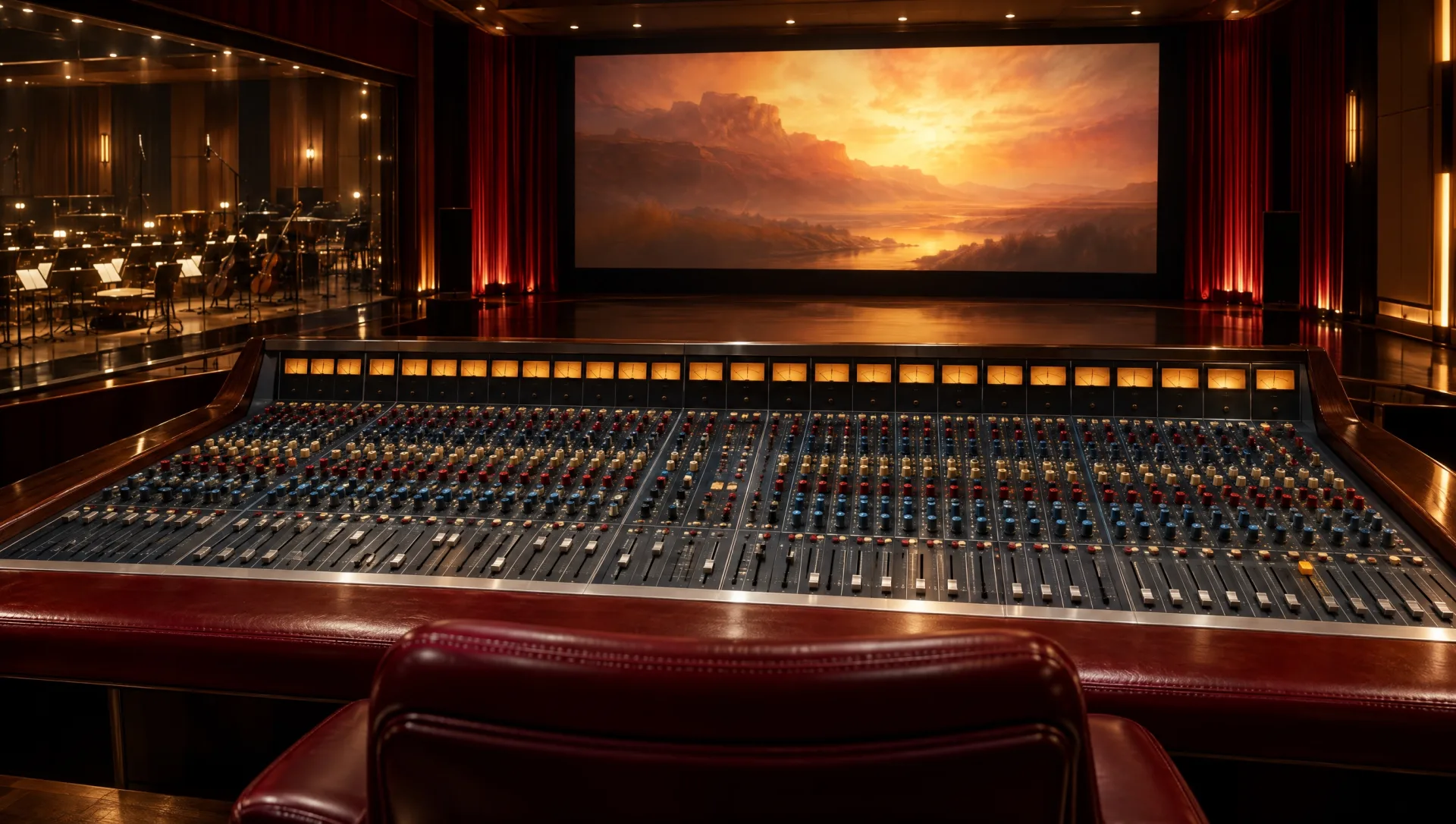
Rang 0 sur 14 · Spectateur
Ta carrière de compositeur commence ici
Tu es encore dans la salle. Dès ta première leçon, tu passes derrière la console : rang 1, Ólafur Arnalds. Chaque leçon, chaque quiz, chaque live te fait monter, de Cosma à Herrmann, d'Horner à Zimmer, jusqu'à John Williams. Et chaque étape débloque une affiche de film et une vidéo de félicitations.
- 1. Ólafur Arnalds · ta 1re étape
- 2. Pierre Bachelet
- 3. Brian Tyler
- 4. Vladimir Cosma
- 5. Ludovic Bource
- 6. Ramin Djawadi
- 7. Bernard Herrmann
- 8. Nino Rota
- 9. Miklós Rózsa
- 10. James Horner
- 11. Basil Poledouris
- 12. Alexandre Desplat
- 13. Hans Zimmer
- 14. John Williams
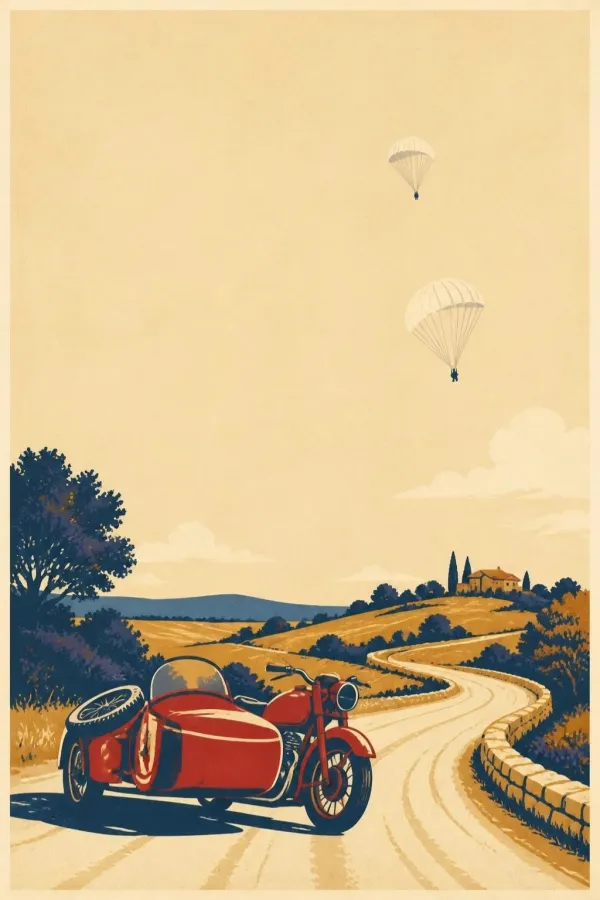 La Grande Première🔒
 Le Bleu Validé🔒
 Les Dents du Réalisateur🔒
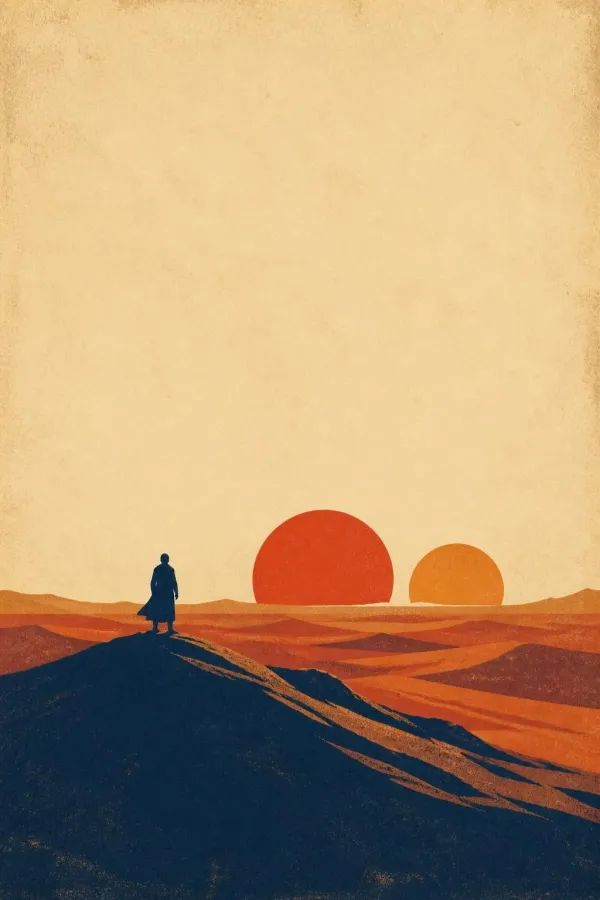 La Guerre des Génériques🔒
Premier badge à débloquer · La Grande Première : termine ta première leçon, elle est gratuite.
▶ Commencer ma première leçonMy courses
International Modern Film Scoring (10 modules)
From your template to the emotions on screen: the working method behind 100+ broadcast TV episodes.
Elite Career Pro (14 modules)
The complete path: craft, emotion, pro-level MIDI and mixing, and the business side of a scoring career.
Secrets of MIDI Programming
Make your sample libraries sound real — the techniques behind 100+ prime-time series.
Go further with me
The courses, and the meeting simulator to practise with a director or a producer. One-to-one coaching is coming soon.
See the offers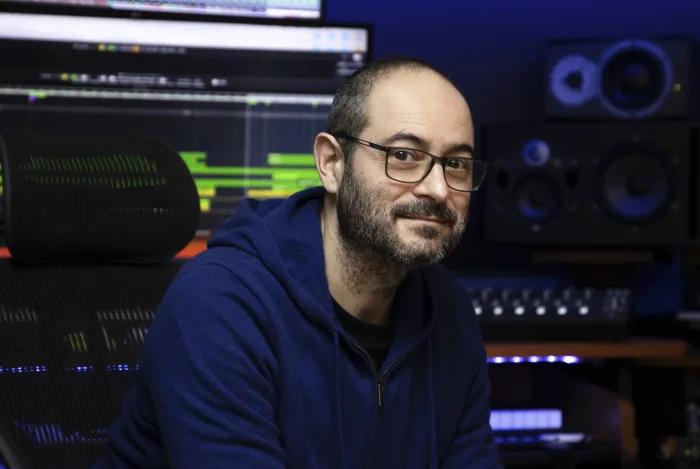
Who I am
Alexandre Lessertisseur — film & TV composer
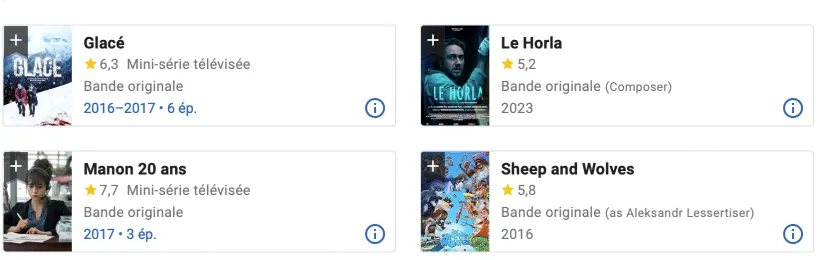
I've spent 15+ years scoring for film and television — the music behind 100+ TV episodes, including prime-time network broadcasts. My work has aired on HBO Max, BBC, ZDF, Globo, France Télévisions, TF1, Arte and Hulu — across feature films, series and documentaries.
This course distills the exact techniques that got me there — nothing theoretical, just what actually works on a professional deadline.
Best Original Music — Luchon Festival (2017 & 2023). Jerry Goldsmith Awards nomination (2016).
What students say
“My contract is signed, I'm delighted! Thank you so much for your advice and for your very positive feedback on my work across the modules — it makes me want to keep going with scoring for picture. I'm really glad I invested in your course: I'm learning, I'm practising, there's real exchange, and above all it confirms both my desire and my ability to do this job.”
“I really came to understand how crucial layering and templates are to making my MIDI mockups sound real. The method helped me level up: I wrote a piece right after, applying the tips on strings to build atmosphere and texture. You can genuinely hear the track come alive as you stack the layers. Honestly, I was hooked.”

“Thanks to Alexandre's course, I understood very quickly what the profession actually expects. He shares his own experience and that spares you a lot of disillusion. It isn't only about writing the music — there are the tricks for handling emotion on screen and for saving time. Alexandre also helps you equip yourself sensibly, and it's no problem if you work in a different DAW from his. Here everyone goes at their own pace, without judgement and with real kindness.”

“I followed Secrets of MIDI Programming seriously and with real pleasure. In a practical, professional spirit, it gives you skills you can use immediately, the kind that change the face of your work. I had real trouble with quantization, with MIDI layers stacking on top of each other, with controllers like CC1 and CC11, without ever really naming the problem. This course made it click, and got me thinking about groove and transients across every style. It's an open, realistic, hands-on training. Unless you're regularly handed hours of real symphonic scoring, don't miss it, it can change a lot of things in your life.”
“I recommend this course without hesitation, because it can confront a still-fragile passion with a realistic framework that may well take it up a level. And that holds whatever genre you favour — this isn't a course on pure classical orchestration; contemporary sounds are more and more in demand in today's screen music.”
“I used to struggle to make my mockups believable, my double bass, drums, even piano never quite convinced. MIDI programming is what finally let me sound real and big, and that's really the heart of the craft. If you're on the fence, I'd just say: learn to program, so it sounds real.”